
Buying a Home in Saskatoon in Winter? What an Inspection Can and Can’t See
What Saskatoon buyers can still learn when snow covers part of a property
By Link Home Inspections
Buying a home in Saskatoon in winter can make an inspection feel like a puzzle. A fresh snowfall might cover the shingles, and a plowed snowbank might hide the slope beside the foundation. But the furnace is working through real winter conditions, and moisture clues may be easier to notice. A winter inspection can still answer many of your questions if you know which areas can be evaluated, which are out of view, and what to do with the findings before you close.
What a winter home inspection can tell you
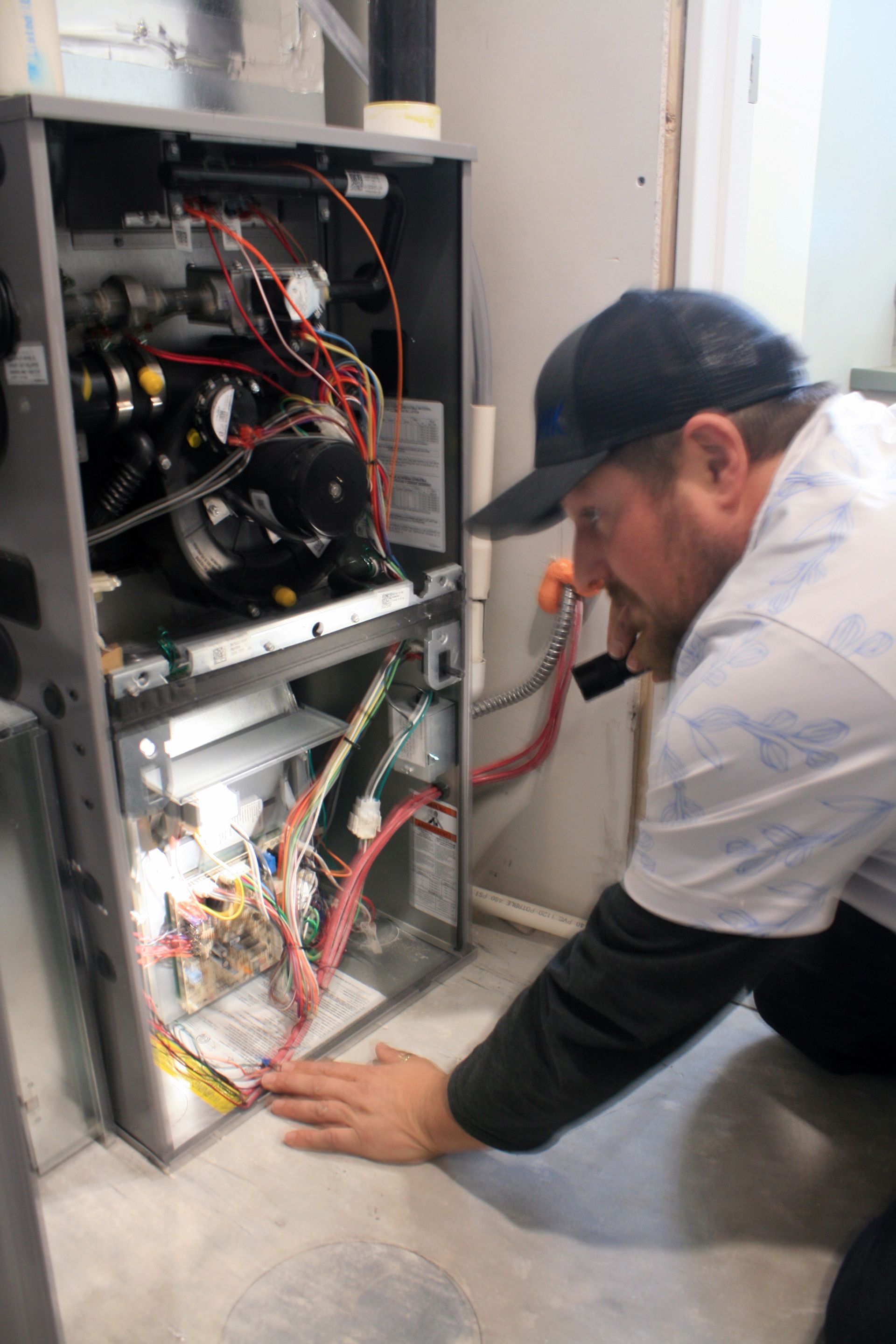
A pre-purchase home inspection looks at the visible, accessible parts of a property at the time of the visit. In winter, that can still include rooms throughout the house, an accessible basement or attic, visible plumbing, the electrical panel, and the heating system. The exact scope depends on the property, access, weather, and the inspection agreement.
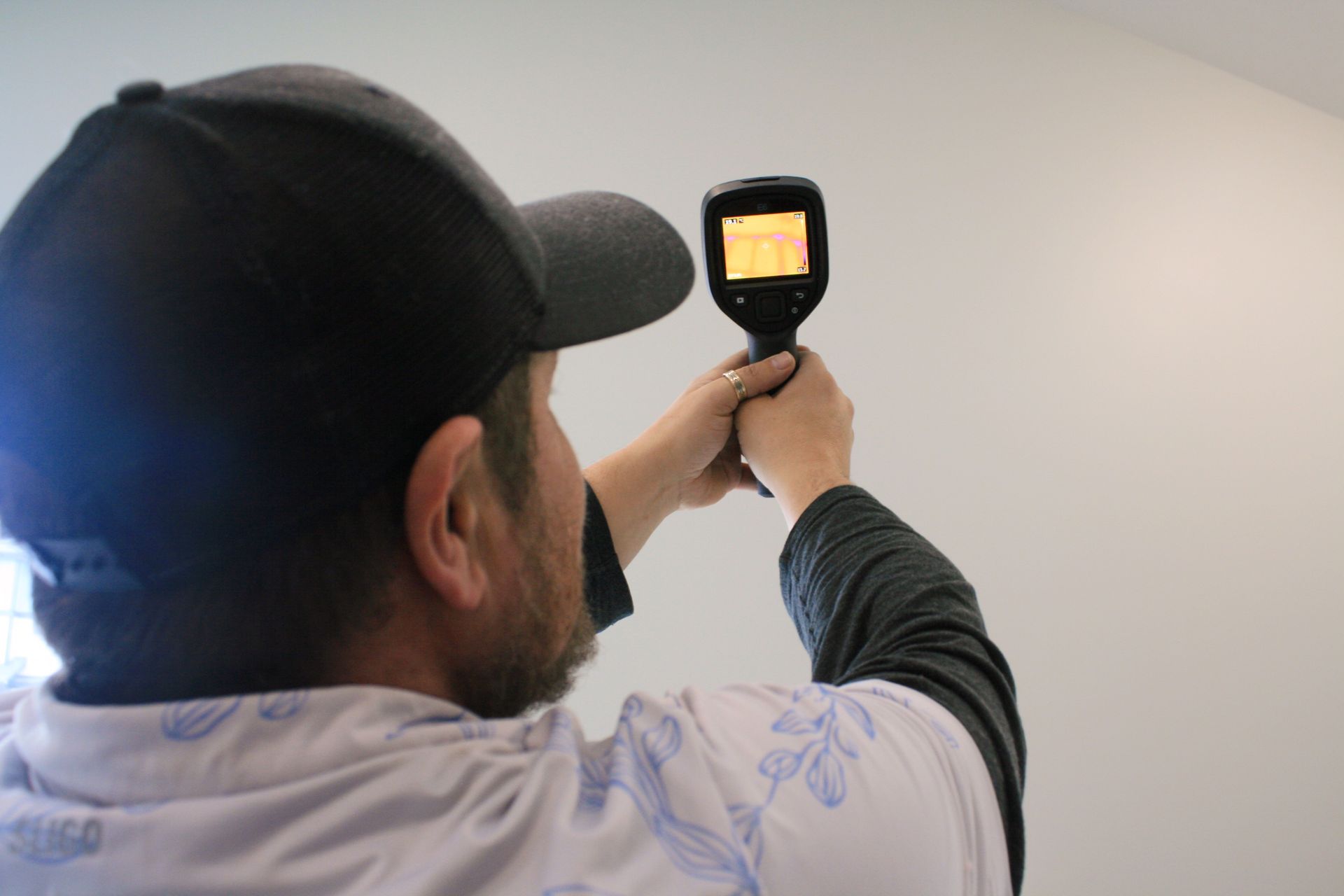
Inside, the inspector can look for visible water staining, damage around windows, and signs of moisture near plumbing fixtures or foundation walls. They may note an unusually cold room or condensation on windows. One cold room does not establish that insulation is missing, and a dry basement in January does not show how it will perform during a spring thaw.
Where snow and cold limit the inspection
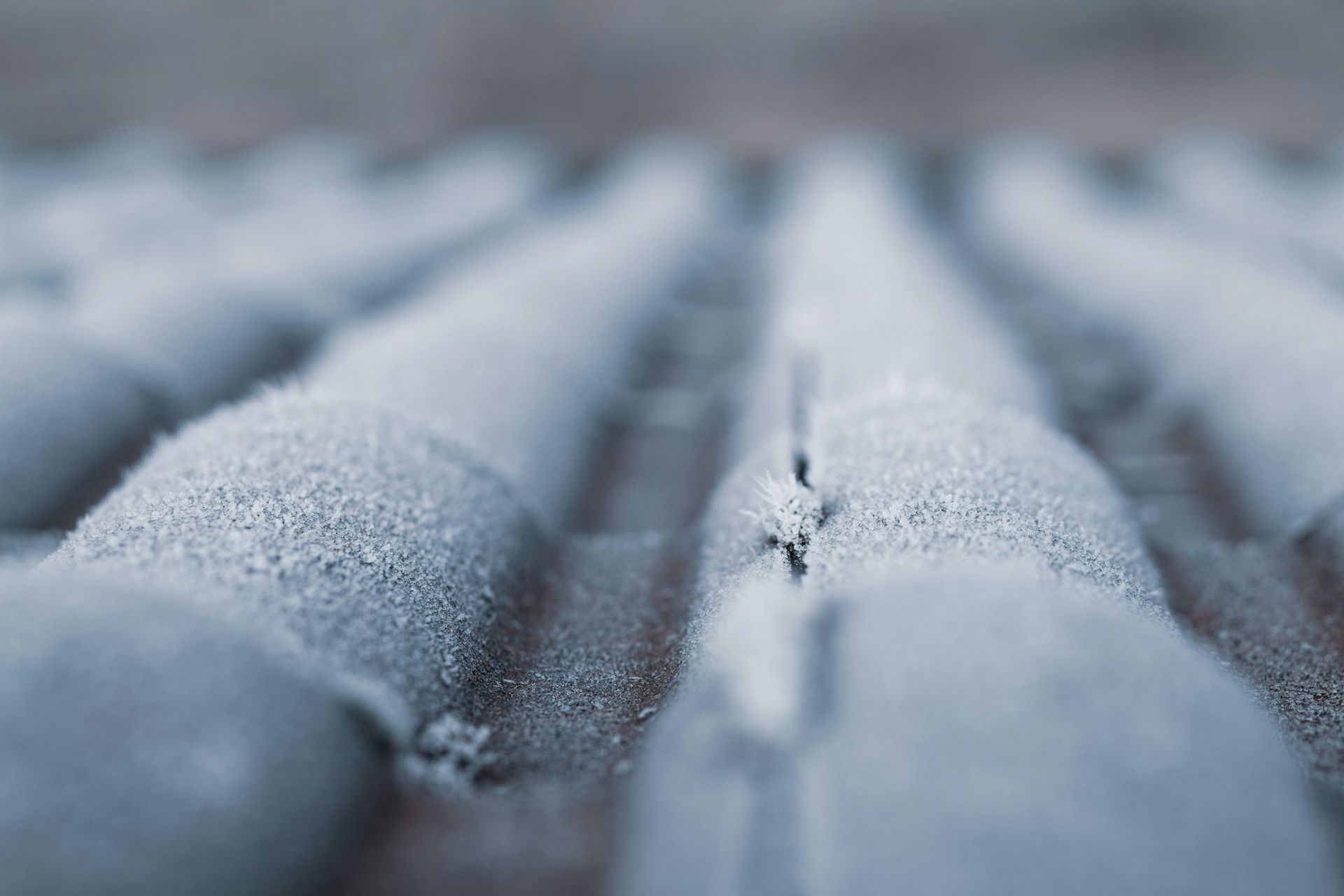
The Government of Canada’s home inspection guide makes a practical point: if the inspector cannot see a component, such as a snow-covered roof, they cannot report on its condition. Some components may be partly visible, while others cannot be evaluated safely at all.
- Roof and gutters. Snow or ice can hide shingles, flashing, and gutters. The inspector may see some roof edges from a safe vantage point or find clues in an accessible attic, but neither confirms the condition of covered shingles.
- Grading and drainage. Snow beside the house can conceal soil slope, low spots, and where downspouts discharge. Ask which areas were visible and which should be revisited after the snow melts.
- Decks and walkways. Snow or ice may cover boards, cracks, or changes in level. An inspector may be able to assess visible portions without commenting on surfaces they could not see.
- Air conditioning. Cold temperatures may make operating cooling equipment unsuitable. Ask whether the unit was visually checked, whether it was operated, and what follow-up would make sense once conditions permit.
How to prepare for the appointment
Tell your inspector about any concerns that came up during the showing. Maybe you noticed a stain below an upstairs window or a musty smell in a basement corner. Share where you saw it and whether anything was blocking the view. That is more useful than asking the inspector to look for every possible winter issue.
Ask the seller or listing representative to arrange safe access to the electrical panel, furnace, attic hatch, and utility areas. A clear route and unlocked doors can make an inspection more informative without asking anyone to climb onto a roof or clear a hazardous area. If available, request recent roof invoices, furnace service records, or photos of the yard in warmer weather. These help establish history, but they do not replace an observation the inspector could not make.
Read the limitations before making decisions
Take a moment to separate a finding from a limitation. If a report says flashing was concealed by snow, the inspector has not said it is damaged or sound. If the report describes staining beneath a roof opening, that is an observed condition worth discussing, even if the exterior could not be seen.
Ask the inspector which unresolved items matter most for this property. A small area of lawn hidden under a drift may be less important than an inaccessible roof with a history of leaks. Discuss the timing of any further evaluation with your real estate representative. If a concern needs an answer before closing, ask whether a qualified specialist can assess it now. Other observations may lend themselves to a reminder for spring, when surfaces are visible and drainage can be seen in different conditions.
Frequently asked questions
1. Is a winter home inspection worth booking?
Yes. Many important interior systems and conditions can still be assessed. Ask what the weather may limit for the specific property rather than assuming the entire inspection will be incomplete.
2. Does an attic check replace looking at the roof?
No. An accessible attic may show staining or moisture clues, but it cannot show the condition of shingles, flashing, or gutters hidden by snow.
3. Will snow hide every drainage issue?
Not necessarily. The inspector may still see some downspout outlets, exposed grades, or interior moisture clues. Snow can prevent a complete view of where water will travel around the house.
4. Should I ask for a spring follow-up?
Ask if an important component was not visible or could not be operated. Review the report first so you can name the specific item, such as a covered roof section or an untested cooling system.
5. Can I attend the inspection?
Ask about joining part of the appointment. A conversation on site can help you see which areas were accessible and understand the next steps described in the report.
Request a winter home inspection
Buying in Saskatoon or the surrounding area? Request an inspection, call Link Home Inspections at 306-229-6796, or email colin@saskatooninspections.ca. Tell us about the property, your preferred date, and any winter concerns you want to discuss.